Choosing the right refuse truck is an important investment for municipalities, waste management companies, private contractors, and industrial operations. The right vehicle can improve collection efficiency, reduce downtime, and help businesses manage waste safely and cost-effectively. However, with different body configurations, compaction capacities, chassis options, and operational requirements to consider, it is essential to understand which features will deliver the most value.
When comparing refuse trucks for sale, buyers should look beyond the initial purchase price. A truck must be suited to its intended workload, perform reliably under South African operating conditions, and offer the durability and support needed for long-term service.
Zoeller Waste Trucks understands the importance of matching waste collection equipment to the demands of the job. Our range includes locally manufactured compactor trucks designed to support different collection requirements, with options to suit a variety of operational needs.
1. Choose the Right Compaction Capacity
Compaction capacity is one of the first features to assess when purchasing a refuse truck. A compactor compresses collected waste, allowing the vehicle to transport more material before it needs to unload. This can help reduce trips to disposal facilities and improve productivity.
However, a larger body is not automatically the best choice. The ideal capacity depends on the type of waste collected, collection distances, route density, and the volume of material handled each day.
For example, a contractor servicing residential streets may need a different configuration from an operation collecting waste from commercial premises or industrial sites.
Zoeller Waste Trucks offers compactor solutions for different operational requirements, including the ECO PRESS range, with body volumes of 12, 16, and 20cubic metres. For applications requiring a larger compactor, the Magnum XL range offers body volumes of approximately 20 to 28 cubic metres, depending on configuration.
When comparing refuse trucks for sale, consider:
- Body volume: Is the capacity appropriate for your daily collection volume?
- Waste type: Will the truck handle general household refuse, commercial waste, or heavier material?
- Route requirements: Will the vehicle operate mainly in urban areas, on suburban routes, or across longer distances?
- Disposal access: Can the truck manoeuvre safely at the facilities where it will unload?
Selecting the appropriate capacity helps balance productivity, manoeuvrability, and operating costs.
2. Look for Durable Construction and Quality Materials
Refuse trucks operate in demanding conditions. Repeated loading, compaction, unloading, and exposure to moisture and waste materials can place considerable strain on the body and its moving components.
Durable construction is therefore essential when evaluating refuse trucks for sale. Buyers should pay attention to the materials used in high-wear areas, including the hopper floor, compactor floor, and other components exposed to repeated friction and impact.
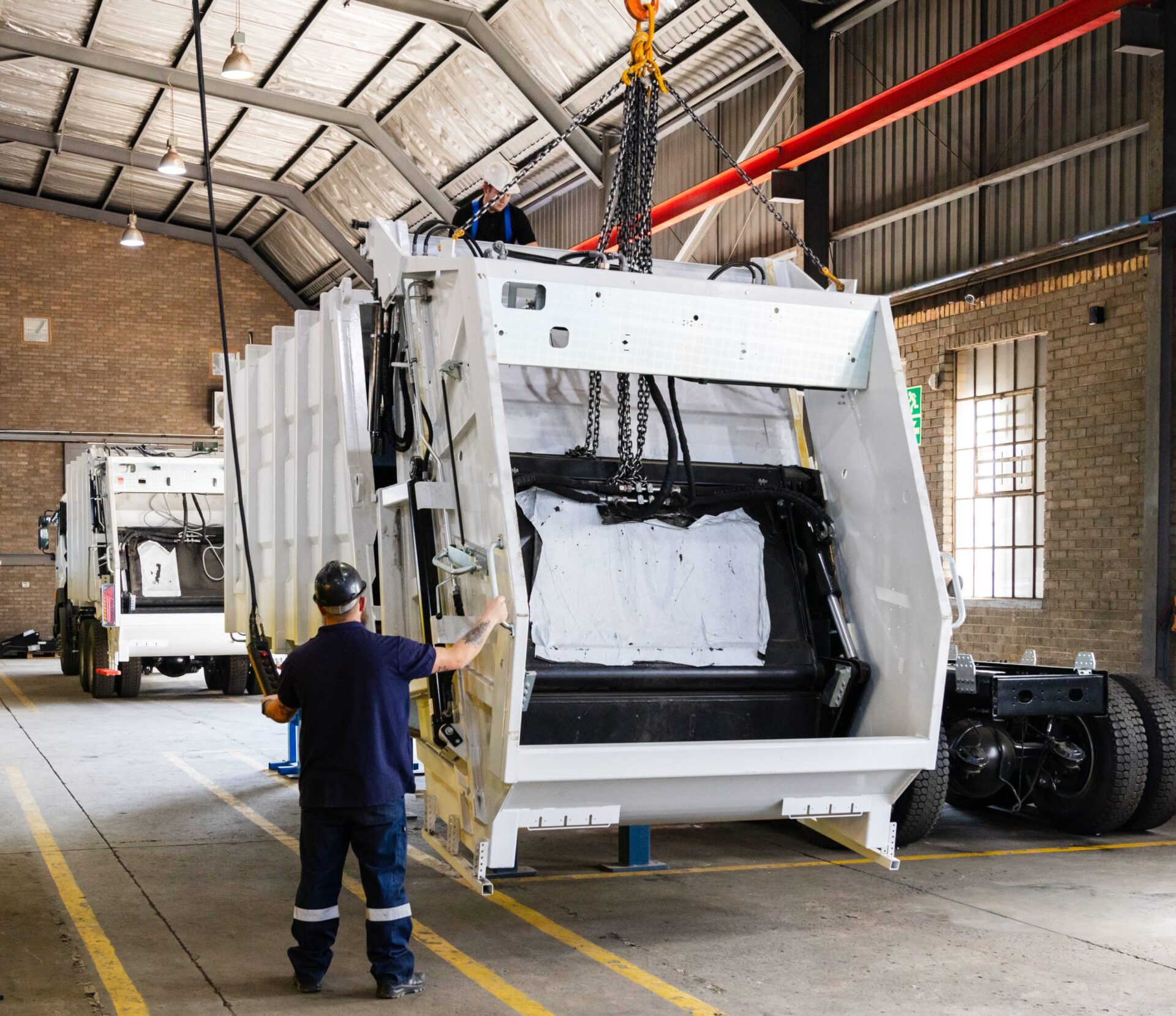
The Zoeller Magnum XL, for example, incorporates Hardox 450 wear-resistant steel in key areas, including an 8 mm hopper floor and a 5 mm compactor floor. These materials are designed to withstand demanding applications and help manage wear in areas subject to heavy use.
When assessing construction quality, ask about:
- The materials and thicknesses used in high-wear areas.
- Reinforcement in areas exposed to repeated loading.
- Protection against corrosion and environmental exposure.
- The expected maintenance requirements of the body and compaction mechanism.
- The availability of replacement parts and technical support.
A well-constructed refuse truck can help reduce premature wear and support more dependable performance throughout its working life.
3. Evaluate the Hydraulic and Compaction Systems
The hydraulic system is central to a compactor truck’s performance. It powers the mechanisms responsible for compressing waste and, depending on the configuration, operating lifting equipment and other functions.
An effective compaction system should provide consistent performance while allowing operators to complete collection cycles efficiently. Cycle time is particularly important for high-volume routes, where small differences in operating speed can affect the number of collections completed during a shift.
For example, the ECO PRESS range has a published compaction cycle time of approximately 27 seconds, while the Magnum XL has a published cycle time of approximately 23 seconds. Actual operating performance will depend on the selected configuration and working conditions.
When comparing hydraulic and compaction systems, consider:
- Compaction cycle time and consistency.
- Hydraulic operating pressure and system design.
- Ease of operation and routine inspection.
- Access to service points and maintenance components.
- Safety features that support controlled operation and pressure release.
It is also worth asking how the system performs under the workload you expect to place on it. A demonstration or trial can help you evaluate the truck’s suitability before committing to a purchase.
4. Check the Loading and Bin-Lifting Equipment
Loading equipment has a direct influence on collection speed, operator safety, and the types of waste containers a truck can handle.
Depending on the application, a refuse truck for sale may require a suitable bin lifter or mechanical lifting system to manage containers efficiently. The lifting equipment must be compatible with the bins used along your routes and appropriate for the frequency and weight of the loads.
Zoeller Waste Trucks offers configurations that can include mechanical lifting solutions, such as the Mechlift, depending on the selected truck and application.
Before buying, establish whether the lifting system:
- Is compatible with your existing bins and containers.
- Can accommodate the loads expected during normal operations.
- Supports efficient, repeatable collection cycles.
- Includes appropriate operator protection and safety controls.
- Can be maintained and serviced without unnecessary disruption.
Matching the lifting system to your collection requirements helps create a more practical, productive vehicle.
5. Make Safety a Priority
Refuse collection involves moving vehicles, heavy waste containers, hydraulic mechanisms, and workers operating close to the truck. Safety should therefore be a key consideration when comparing refuse trucks for sale.
Look for a design that supports safe loading, controlled compaction, and clear operating procedures. Ask the supplier to explain the safety systems fitted to the specific configuration, including emergency controls, pressure-release provisions, and measures designed to protect operators during servicing.
The Magnum XL includes a safety rescue button designed to allow pressure release in an emergency situation. Buyers should confirm the operation and intended use of this feature with the supplier and ensure that operators receive appropriate training.
Other important considerations include:
- Safe access to inspection and maintenance areas.
- Clear controls and operating instructions.
- Suitable visibility for the driver and collection team.
- Appropriate lighting and visibility measures for roadside work.
- Compliance with applicable vehicle, workplace, and road-safety requirements.
A safety-focused approach should also include regular inspections, preventative maintenance, and training for drivers and collection personnel. The correct procedures are just as important as the equipment itself.
6. Select a Suitable Chassis
The chassis determines the foundation on which the refuse body is mounted. It must be appropriate for the truck’s intended payload, body configuration, axle arrangement, and operating environment.
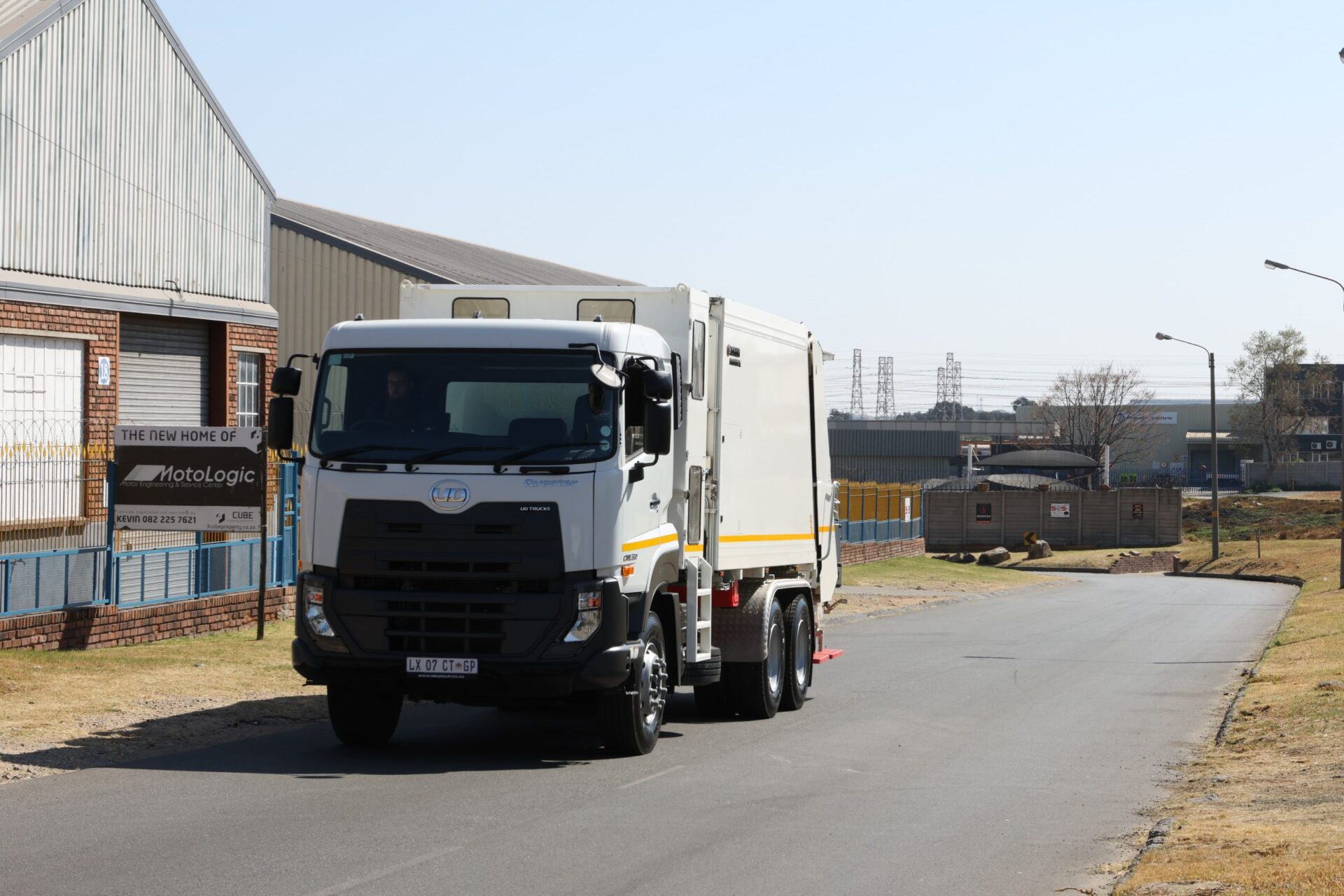
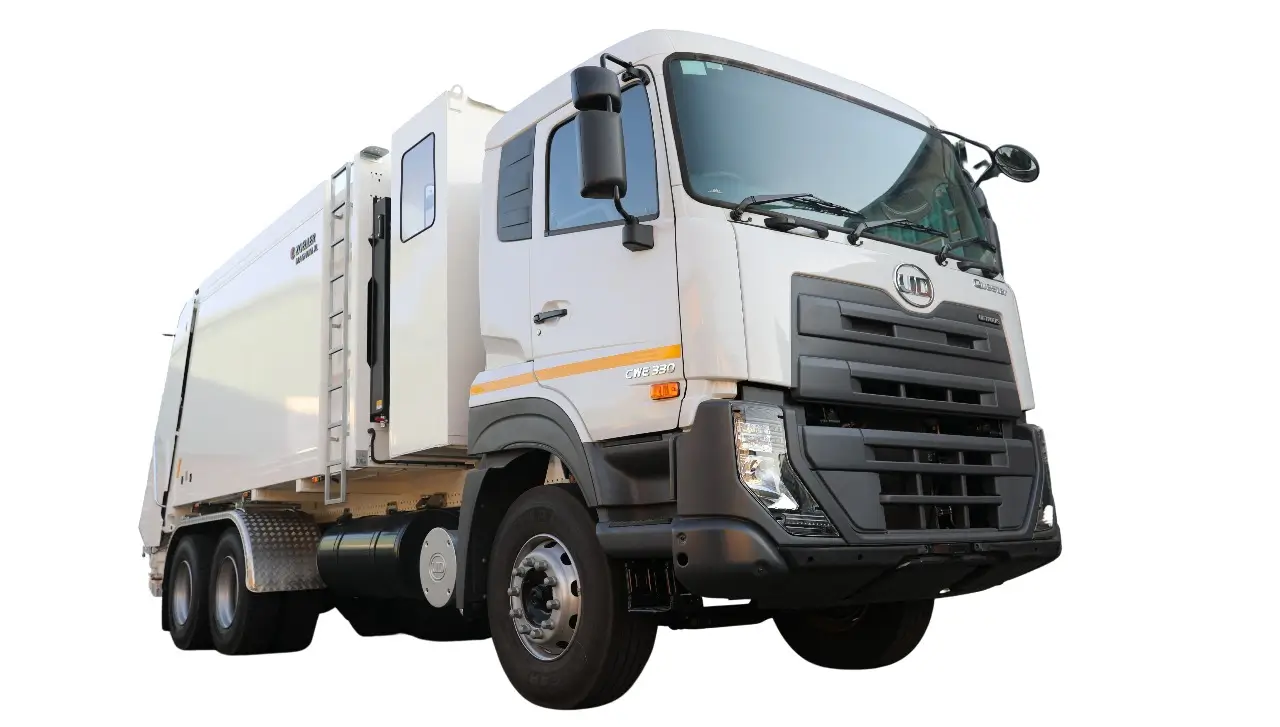
Zoeller Waste Trucks offers chassis options from manufacturers including Mercedes-Benz, Isuzu, UD Trucks, Hino, MAN, FAW, and FUSO, depending on the application and configuration.
When selecting a chassis, consider the following:
- Payload and axle capacity: The vehicle must be suitable for the combined weight of the body, equipment, waste, and other loads, within its permitted limits.
- Route conditions: Narrow residential streets, busy commercial areas, industrial sites, and longer regional routes may place different demands on the vehicle.
- Service availability: Consider access to servicing, maintenance expertise, and parts for the chosen chassis in the areas where your fleet operates.
- Fuel consumption: The engine, transmission, vehicle weight, driving conditions, and collection pattern all influence fuel usage.
- Compatibility: The chassis must be suitable for the selected compactor body and any additional equipment.
A truck that is well matched to its routes and workload can support more efficient operations and help avoid unnecessary strain on vehicle components.
7. Consider Total Cost of Ownership
The purchase price is only one part of the financial picture. A refuse truck is a working asset, and its total cost of ownership can have a significant effect on a waste management operation’s profitability.
Before making a decision, estimate the costs associated with operating the vehicle over its expected working life. These may include fuel, servicing, repairs, tyres, insurance, licensing, and downtime, as well as the cost of replacing worn components.
A useful comparison should account for:
- Initial purchase price and financing costs.
- Expected fuel consumption under your operating conditions.
- Scheduled maintenance and likely wear items.
- Availability and cost of replacement parts.
- Warranty terms and after-sales support.
- Expected service life and potential resale value.
A lower-priced vehicle may not provide the best long-term value if it requires frequent repairs or spends too much time out of service. Similarly, a larger truck may be unnecessary if your daily routes do not justify its capacity.
The objective is to choose a vehicle that meets operational requirements while delivering dependable value over time.
8. Assess Maintenance and After-Sales Support
Even a well-built refuse truck requires regular maintenance. Hydraulic systems, lifting equipment, compaction mechanisms, and vehicle components must be inspected and serviced to maintain safe, reliable operation.
When comparing suppliers, ask what support is available after delivery. Zoeller Waste Trucks offers service and maintenance support, including maintenance contract options, to help customers manage the ongoing needs of their vehicles.
Before purchasing, clarify:
- What preventative maintenance is recommended.
- Which service arrangements are available.
- How repairs and technical support are handled.
- Whether replacement parts are readily available.
- What warranty conditions and exclusions apply.
- How quickly assistance can be provided when a vehicle develops a fault.
Planned maintenance can help identify problems before they lead to costly breakdowns. For fleet operators working to demanding collection schedules, effective after-sales support can make a meaningful difference to vehicle availability.
9. Compare Purchasing, Leasing, and Trial Options
The best acquisition method depends on your budget, cash flow, and operational plans. Purchasing a truck outright may suit businesses with available capital, while leasing can offer an alternative for operations that prefer a different payment structure.
Zoeller Waste Trucks provides purchasing and leasing options, subject to the applicable terms. Ask for a clear breakdown of costs, payment obligations, and the conditions attached to each option.
Where available, a demonstration or trial can also help you assess a vehicle before making a final decision. This allows your team to evaluate practical factors such as manoeuvrability, loading performance, visibility, and suitability for your routes.
Before signing an agreement, ensure that the chosen configuration, included equipment, delivery arrangements, warranty, and service requirements are clearly documented.
Find the Right Refuse Truck for Your Operation
Choosing between refuse trucks for sale involves more than comparing prices or body sizes. The right vehicle should combine suitable compaction capacity, durable construction, dependable hydraulics, appropriate lifting equipment, safety features, and a chassis that meets your operating requirements.
Zoeller Waste Trucks offers waste collection solutions designed to support a range of applications, with options for different capacities and operational needs. Our team can help you explore the available configurations and identify a solution suited to your workload and budget.
Frequently Asked Questions About Refuse Trucks for Sale
What should I look for when buying a refuse truck?
Consider compaction capacity, body construction, hydraulic performance, bin-lifting equipment, safety features, chassis suitability, fuel consumption, maintenance requirements, and after-sales support. The best choice depends on your collection routes, waste volumes, and operating budget.
What is the difference between the ECO PRESS and Magnum XL ranges?
The ECO PRESS range offers body volumes of 12, 16, and 20 cubic metres, while the Magnum XL range offers approximately 20 to 28 cubic metres, depending on configuration. Your required capacity, route conditions, and waste volumes will help determine which option is appropriate.
Are locally manufactured refuse trucks suitable for South African conditions?
A locally manufactured truck may offer practical benefits, including access to local expertise and after-sales support. Suitability ultimately depends on the vehicle’s specifications, construction, maintenance arrangements, and intended operating conditions.
How important is compaction cycle time?
Cycle time affects how quickly the compaction mechanism can complete its operating sequence. A shorter cycle may improve productivity on busy routes, but buyers should also consider reliability, safety, waste type, and the complete collection process.
Should I buy or lease a refuse truck?
Buying may suit businesses that want to own the asset, while leasing may provide an alternative payment structure. Compare the total costs, contractual terms, cash-flow implications, and expected period of use before deciding.
How can I reduce refuse truck maintenance costs?
Follow the manufacturer’s maintenance schedule, inspect hydraulic and mechanical systems regularly, train operators correctly, and address developing faults promptly. Preventative maintenance can help reduce avoidable breakdowns and extend the useful life of the vehicle.
Where can I enquire about refuse trucks for sale in South Africa?
You can contact Zoeller Waste Trucks through our online contact page to discuss your requirements and explore suitable refuse trucks for sale options, or browse Zoeller Waste Trucks to learn more about our products and services.